:::ja
はじめに
この記事はSlay the Spire 2(スレスパ2)に登場する全エネミーの行動パターンと対処法を解説する。ゲームは4つのバイオームで構成されており、それぞれ固有の通常敵・エリート・ボスが存在する。敵のインテント(行動予告)を毎ターン確認することが勝利の鍵。
| バイオーム | 登場するAct | 概要 |
|---|---|---|
| オーバーグロウス | Act 1a | 密林地帯。植物・昆虫系の敵が多い |
| アンダードックス | Act 1b | 水没した港湾地帯。海洋・幽霊系の敵が多い |
| ハイブ | Act 2 | 虫の巣。大型昆虫系のエリートとボスが待ち受ける |
| グローリー | Act 3 | 最終エリア。最も強力なエネミーが揃う |
基本的なエネミー対処の考え方
インテントを毎ターン確認する
敵の行動予告(インテント)は常に確認する習慣をつける。主なインテントの種類:
| インテント | 意味 | 対応 |
|---|---|---|
| 攻撃(赤い剣) | ダメージを与えてくる | ブロックを優先 |
| 強力な攻撃(大きな剣) | 大ダメージ(20+)を与えてくる | 全力でブロック、脆弱を解除 |
| バフ(上矢印) | 自身を強化する | 急いで倒す、または虚弱を付与 |
| デバフ(下矢印) | こちらに弱体化を付与 | ブロックより先に処理を検討 |
| ブロック(盾) | 防御行動。このターンはダメージが通りにくい | 次ターンの大攻撃に備える |
デバフ・バフの優先処理
- 敵が筋力上昇バフを積む場合、放置すると全ダメージが倍増するため早急に倒す
- 敵が呪縛などのブロック無視デバフを付与してくる場合、回避より火力で早期決着を目指す
- 脆弱の活用:自分に脆弱がない状態で敵に脆弱を付与すると、ダメージが1.5倍になるため積極的に使う
Act 1a:オーバーグロウスの通常敵
密林バイオームの通常敵。植物・昆虫・スライム系が多い。
| 敵名 | HP目安 | 主な行動 | 対処ポイント |
|---|---|---|---|
| Cubex | 30〜50 | 攻撃+デバフ付与 | 標準的な序盤敵。インテントを確認してブロックと攻撃を使い分ける |
| Fogmog | 35〜55 | 毒付与攻撃 | 毒を積まれると長期戦で不利。早期決着を優先 |
| Fuzzy | 25〜40 | 複数回攻撃 | 1回ずつのダメージは低いが合計ダメージが高め |
| Inklets | 20〜35 | 低ダメージ複数回攻撃 | 弱い敵。複数体出てくることがある |
| Mawler | 40〜60 | 高ダメージ攻撃 | 単体大ダメージを出す。ブロックを用意する |
| Nibbit | 20〜30 | 低ダメ速攻 | 弱い個体。複数体同時に出ることが多い |
| Shrinker | 30〜50 | デバフ付与 | 虚弱などのデバフを付与してくる。早めに倒す |
| Vine Shambler | 40〜65 | 攻撃+ブロック | 攻防を交互に使う。ブロックターンに攻めるとダメージが通りにくい |
| Slime Pack / Slime Trio | 25〜40×複数 | 全体攻撃も | 複数体戦。AOEカードがあると楽。1体ずつ集中して倒す |
| Raider Trio | 25〜40×3 | 各個体が独立攻撃 | 3体戦。毎ターン合計ダメージが高い。AOEか高火力で早期制圧 |
オーバーグロウスの戦闘傾向
- 複数敵出現率が高い。AOEカード(Whirlwind・Cleave等)があると安定する
- 毒を使う敵が多め。毒デバフは積み重なるため長期戦は避ける
- 序盤バイオームのため敵の単体HPは低め。スムーズに処理してゴールドとレリックを蓄積しよう
Act 1b:アンダードックスの通常敵
水没した港湾バイオームの通常敵。幽霊・海洋・機械系が多い。
| 敵名 | HP目安 | 主な行動 | 対処ポイント |
|---|---|---|---|
| Construct | 30〜50 | 攻撃+バフ蓄積 | HPが溜まるにつれ強化されることがある。急いで倒す |
| Wurm Crawler | 45〜70 | 単体高ダメージ | 単体大ダメージ型。ブロックを厚めに準備 |
| Beetle | 25〜40 | 低ダメ複数回 | 弱い個体。集団で出ることが多い |
アンダードックスの戦闘傾向
- オーバーグロウスと比べて、バフ蓄積型の敵が増える
- 幽霊・機械系はデバフ攻撃を使う頻度が高い
- 海洋系はHP回復や高ブロックを持つことがある
Act 1 エリート — オーバーグロウス(3体)
エリート1: Bygone Effigy(亡き者の像)

HP: 約300 / 難易度: 最高(Act全体で最難)
Act 1最強のエリート。3スタックのアーティファクト(デバフを3回無効化)を持ち、厳格な4ターンサイクルで行動する。
| ターン | 行動 | ダメージ | 対処 |
|---|---|---|---|
| 1 | Charge | 25ダメージ | ブロック必須 |
| 2 | Flamethrower | バーンカード4枚をデッキに追加 | バーンカードは毎ターン2ダメージ。高速決着を目指す |
| 3 | Windup | 筋力+5・ブロック15獲得 | 次のHeavy Cleaveが激化する。このターンに攻撃を集中 |
| 4 | Heavy Cleave | 35ダメージ | 最大ダメージターン。最大限のブロックで備える |
攻略ポイント:
- アーティファクトを消耗させてから本格的なデバフを入れる
- 4ターンサイクルを把握し、**Windupターン(3ターン目)**に攻撃を集中してダメージを稼ぐ
- バーンカードが蓄積する前に素早く倒す。HP60%以上の余裕がある時のみ挑む
エリート2: Byrdonis
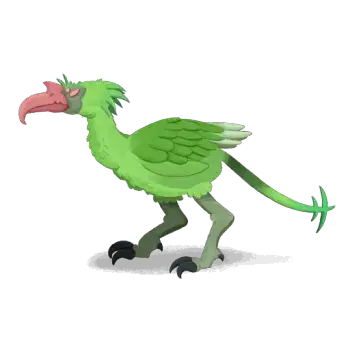
HP: 約130〜160 / 難易度: 中
鳥型エリート。Territorial 1(インテントが変わる特殊状態)を持ち、2ターンサイクルで攻撃する。
| ターン | 行動 | 詳細 |
|---|---|---|
| 奇数ターン | Peck | 3×3ダメージ(計9ダメージ)の多段攻撃 |
| 偶数ターン | SWOOP | 16ダメージの単発大攻撃 |
| 毎ターン | Territorial | ターンが進むほど筋力を積み上げ、後半戦でダメージが増大 |
攻略ポイント:
- 長引かせると筋力が積み上がり危険。早期決着が理想
- 複数ヒットのPeckは脆弱を付与されていると特に痛い。毎ターン脆弱管理を忘れずに
- このエリートはByrdonis NestイベントのByrdonis Eggの入手先でもある
エリート3: Phrog Parasite(フロッグ寄生体)
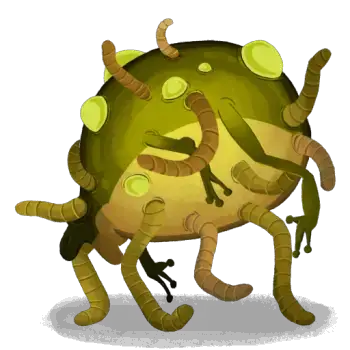
HP: 約100〜130 / 難易度: 中低
カエル型の寄生生物。毒付与と高機動性が特徴。
主な脅威:
- 毒を複数スタック積み上げてくる
- 毒付与後に連続攻撃で一気にダメージを取りにくる
- 放置すると毎ターンの毒ダメージが積み重なる
攻略ポイント:
- 毒を受けすぎる前に素早く倒すのが基本
- 毒除去手段(Recuperate等)があれば安心して戦える
- HP余裕があればそこまで脅威ではないが、HP50%以下での交戦は避けたい
Act 1 エリート — アンダードックス(3体)
エリート4: Phantasmal Gardener(幻の庭師)

HP: 約110〜140 / 難易度: 中
幽霊系エリート。カードをデッキに混入させる妨害型。
主な行動:
- デッキにウーンド等のゴミカードを追加
- ターンが経過するほどデッキが汚染され、手札の質が下がる
攻略ポイント:
- 序盤の数ターンで倒しきるための火力を用意する
- ゴミカードが増えてもコア戦略を維持できるデッキなら問題ない
- バーン/ウーンドを廃棄できるカードがあれば有利
エリート5: Skulking Colony(潜む群体)

HP: 複数体合計 / 難易度: 中高
複数体の小型エネミーが集団で出現するエリート。各個体が独立して行動する。
主な脅威:
- 毎ターン複数方向から攻撃される
- 1体倒しても残りが継続攻撃
- 倒した個体が復活する可能性あり
攻略ポイント:
- AOEカードで全体ダメージを与えるのが最も効率的
- 復活能力がある個体は最後に残さず最優先で倒す
- このエリートが出るルートには焚き火が近くにあるか確認してから挑む
エリート6: Terror Eel(恐怖のウナギ)

HP: 約150〜180 / 難易度: 高
水棲の大型エリート。ブロックを無視する呪縛攻撃を使う。
主な行動:
- 呪縛付与(毎ターン開始時に固定ダメージ、ブロック無視)
- 高ダメージ物理攻撃
攻略ポイント:
- 呪縛を付与されるとブロックでは軽減できない。素早く倒すしかない
- Act1では最も危険なエリートの一つ。HP余裕(60%以上)と火力を確保してから挑む
- 呪縛を除去できるカードがあれば有利に戦える
Act 2 エリート — ハイブ(3体)
エリート7: Decimillipede(デシミリピード)
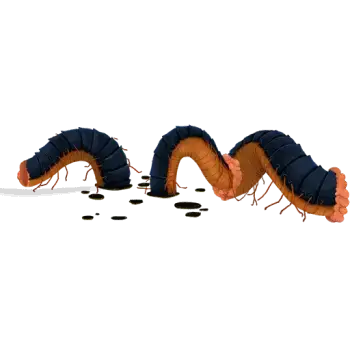
HP: 42〜48×3セグメント / 難易度: 中高
3セグメントに分割された大型ムカデ型エリート。各セグメントが独立して行動する。
| セグメント | 主な行動 |
|---|---|
| 頭部 | Writhe(拘束攻撃)、Constrict(呪縛付与) |
| 中胴 | Bulk(バフ蓄積)、攻撃 |
| 尾部 | 攻撃、Writhe |
特殊ルール:
- 他のセグメントが生きている間は、倒したセグメントが復活する
- 全セグメントを素早く処理しないと際限なく復活し続ける
攻略ポイント:
- 3セグメントに均等にダメージを与えてほぼ同時に倒すのが理想
- 1セグメントに集中しすぎると他が復活前提で攻撃を続ける
- AOEカードが非常に効果的。全体ダメージで3体を並行して削る
- 呪縛攻撃を多用するため、長引くほど危険
エリート8: Entomancer(昆虫術師)
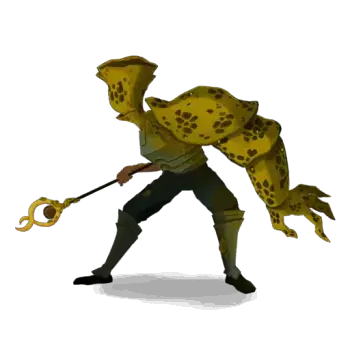
HP: 約200〜250 / 難易度: 中高
昆虫を召喚するAct2の術師型エリート。雑魚を次々に召喚してくる。
主な行動:
- 小型昆虫の継続召喚
- 召喚した虫が独立して攻撃
- 自身は後方でバフ蓄積
攻略ポイント:
- 召喚される小型昆虫を無視して本体を集中攻撃する戦略が有効
- ただし小型昆虫の累積ダメージは無視できない。適度に処理しつつ本体を削る
- 術師本体のHPが高めなので、火力不足での交戦は厳禁
エリート9: Infested Prism(汚染されたプリズム)

HP: 約180〜220 / 難易度: 中
光学系のAct2エリート。デバフと多方向攻撃が特徴。
主な行動:
- 複数方向への分裂攻撃
- プレイヤーのデッキへの干渉(カード変質・デバフ追加)
攻略ポイント:
- 分裂攻撃はAOEで対応しにくい。シングルターゲット高火力ビルドが有利
- デッキ干渉を受ける前に素早く倒す
Act 3 エリート — グローリー(3体)
エリート10: Knight Trio(騎士3人組)
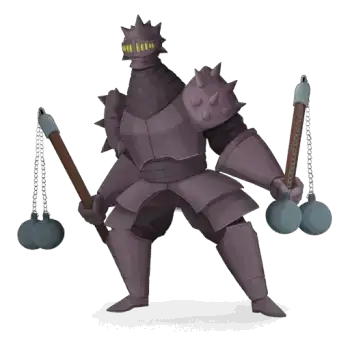
HP: フレイルナイト101 / スペクトラルナイト93 / マジナイト82 / 難易度: 非常に高
Act3最大の複数体エリート。3騎士それぞれが異なる役割を担う。
| 騎士 | 主な行動 | 脅威レベル |
|---|---|---|
| Flail Knight(フレイルナイト) | Ram(突進)・Flail(2段攻撃) | 純粋ダメージ担当 |
| Spectral Knight(スペクトラルナイト) | Hex付与・Soul魔法攻撃 | デバフ担当 |
| Magi Knight(マジナイト) | Dampen(能力低下)・35ダメージのMagic Bomb | 遅延からの爆発攻撃 |
攻略ポイント:
- Magic BombはAct3最大級のダメージ技。Magi Knightを最優先で倒す
- スペクトラルナイトのHexデバフを受け続けると手詰まりになる。マジナイト撃破後に処理
- 3体同時攻撃で総ダメージが高い。フル強化されたデッキでないと挑まない
- HP40%以上、デッキ完成時のみ挑戦推奨
Act 1 ボス — オーバーグロウス(3体)
ボス1: Vantom(ヴァントム)

HP: 約250〜280 / 概要: 毎ターンダメージが増大する4ターンサイクル型
行動サイクル(4ターンループ):
| ターン | 行動 | ダメージ | 注意点 |
|---|---|---|---|
| 1 | Slither(スリザー) | 低ダメージ | 準備ターン |
| 2 | Coil(コイル) | 中ダメージ | ブロック準備 |
| 3 | Strike(ストライク) | 25+ダメージ | 最大ダメージターン。全力ブロック必須 |
| 4 | Strengthen | 筋力上昇 | 次サイクル以降ダメージが増大 |
攻略ポイント:
- 3ターン目のStrikeに備えてブロックを温存するのが最重要
- 筋力を積まれると毎サイクルのダメージが上昇するため長期戦は不利
- ポーションは3ターン目への対応用として温存し、ダメージスパイクを凌ぐ
- 脆弱を序盤に付与してダメージ効率を上げる
ボス2: Ceremonial Beast(儀式の獣)

HP: 約280〜320 / 概要: HP閾値でスタンする特殊ギミック型
行動パターン:
- 戦闘開始時にPlow(攻撃力+2/ターン)が発動。毎ターン攻撃力が増加する
- HP150以下になるとRing(リング)状態に移行し、スタンして弱体化する
- Ring中にダメージを与えると「Ringing(鳴り響く)」フェーズで特別な攻撃を使う
攻略ポイント:
- HP150を大幅に超えるダメージを一撃で与えるのは避ける(スタン移行タイミングを制御するため)
- HPを150近くまで削ってからバースト攻撃でスタン状態を作り出し、弱体化フェーズで一気に倒す
- 時間をかけると攻撃力が増大して対処困難になるため、中程度の速度感で進める
ボス3: Kin Priest(キン・プリースト)

HP: 約260〜290 / 概要: バフ蓄積+呼び出しギミック型
攻略ポイント:
- 自身をバフするターンに攻撃を集中。バフ完了前に倒す速攻型が有効
- 呼び出す随伴エネミーを先に倒すか無視するかはデッキの火力次第
Act 1 ボス — アンダードックス(3体)
ボス4: Lagavulin Matriarch(ラガヴーリン・マトリアーク)

HP: 約300〜340 / 概要: 休眠→覚醒型の特殊行動
行動パターン:
- 序盤は休眠状態。何もしないがHP回復を行う
- 覚醒後は高ダメージ攻撃を連発
- カードを使うたびに覚醒が早まる可能性あり(カード使用数でトリガー)
攻略ポイント:
- 覚醒前に素早くHPを削っておく準備が重要
- 覚醒ターンは激しい攻撃に備えてブロックを厚く積む
- 低コスト・高効率のカードでカード枚数を抑えつつ削るのが理想
ボス5: Soul Fysh(ソウル・フィッシュ)

HP: 約270〜310 / 概要: Beckonカード混入ギミック型
特殊ギミック:
- 戦闘開始時にBeckonカードがデッキと捨て札に1枚ずつ追加される
- Beckonは1エナジーで使用可(または何かのリソースを支払って使用)
- ターン終了時にBeckonが手札にあると**6ダメージ(ブロック無視)**を受ける
行動パターン:
- ターン2〜3:高ダメージ攻撃(このタイミングで攻め時)
- ターン4〜5:Intangible状態(ダメージが大幅に無効化される)
攻略ポイント:
- Beckonが手札に来たら必ず使う。ターン終了前に捌けるよう手札管理を意識
- Intangibleターンに攻撃しても効果が薄い。ターン2〜3に集中してダメージを与える
- デッキが薄いほどBeckonを引く頻度が上がるため、厚いデッキでも問題がある。Beckon管理を優先
ボス6: Waterfall Giant(滝の巨人)

HP: 約310〜360 / 概要: 高HPの力押し型
攻略ポイント:
- 大型ボスらしく高HPで力押しの攻撃パターン
- 火力スケールが完成しているかどうかが勝敗の鍵
- 防御が手薄なターンをインテントから読み取って攻撃を集中させる
Act 2 ボス — ハイブ(3体)
ボス7: Kaiser Crab(カイザー・クラブ)
HP: 約350〜400 / 概要: 装甲型・固定サイクルボス
攻略ポイント:
- 固い装甲(ブロックやプレーティング)を持ち、生半可な攻撃では削れない
- 貫通系のカード(True Damageや脆弱付与後の攻撃)が有効
- Act2ボスとしては比較的素直な行動パターン
ボス8: Knowledge Demon(知識の悪魔)

HP: 約370〜420 / 概要: デバフ選択型+自己強化ボス
特殊ギミック:
- 毎ターン、以下の2択のデバフを選択させる:
- Disintegration: ターン終了時にダメージを受ける
- Mind Rot: ドロー枚数が1枚減る
- デバフを受けるたびに自身が強化(Strengthスタック)される
- 自己回復能力を持ち、時間をかけると回復で追いつかれる
攻略ポイント:
- 絶対に攻撃的に戦う。回復とStrengthスタックで時間が経つほど不利
- デバフは基本的にMind Rotを選ぶ(ドロー-1はダメージより被害が少ない)
- 回復される前に一気にHPを削る高火力デッキが最適
- このボスに対するパッシブ・防御重視デッキは機能しない
ボス9: The Insatiable(飽くなき者)

HP: 約400〜460 / 概要: 即死カウントダウン型ボス
特殊ギミック:
- 戦闘開始時にSandpitが発動。4ターンカウントダウンが始まる
- カウントダウンが0になると即座に死亡
- デッキに追加される「Frantic Escape」カードを使うことでカウントダウンを延長できる
攻略ポイント:
- Frantic Escapeと攻撃のバランス管理が全て
- カウントダウン延長のためだけにターンを使いすぎるとダメージが出せず詰む
- 1ターンの最大ダメージを最大化できるバーストビルドが最適
- カウントダウンを1ターン分だけ延長しつつ大ダメージを与え続けるリズムを作る
- Act2で最も難しいボスとされる
Act 3 ボス — グローリー(3体)
ボス10: Doormaker(ドアメーカー)

HP: ドア155 + 本体489 / 概要: フェーズ制・Strength積み上げ型
フェーズ構造:
- ドアフェーズ(155HP): まず「ドア」を倒す
- 本体フェーズ(489HP): ドアメーカー本体と戦う
- ループ: ドアが復活して再度ドアフェーズへ
特殊ギミック:
- ループするたびにDoormakerのStrengthが永続的に積み上がる
- スタン状態のターンがある。そのターンに攻撃を集中させるとダメージが通る
攻略ポイント:
- 長期戦厳禁。ループするほど次のフェーズが強くなる
- スタンターンを確実に活用して本体HPを大きく削る
- 489HPという高HP+Strength積み上げに対抗できる超高火力デッキが必要
- ドアよりもDoormaker本体のHPを削る効率を優先する
ボス11: The Queen(クイーン)

HP: クイーン自体 + Amalgam(アマルガム)随伴 / 概要: 随伴+拘束デバフ型
コンボ構造:
- The QueenとAmalgam(随伴エネミー)の2体セット
- Queenを倒すとAmalgamは逃走するが、Queenを先に倒す必要がある
- AmalgamのダメージはQueenより高く、無視できない
特殊ギミック:
- Queen は拘束デバフを多用。カードの使用を制限してくる
- 拘束によって特定のカードや特定のコストカードが使えなくなる
攻略ポイント:
- Amalgamのダメージを先に下げる。虚弱付与や拘束解除が有効
- コミュニティの定石はポーション2個を事前準備してQueenに対応すること
- 拘束デバフを受けてもゲームプランが崩れないよう、多様なコストのカードをデッキに入れる
- 合計HPが599という高さ。回復手段やレリックによる継戦能力が重要
エリート・ボス対戦の総括
エリート戦チェックリスト
挑む前に以下を確認:
- HPは十分か(Act1:60%以上、Act2:50%以上、Act3:40%以上)
- 当該エリートの特殊ギミックを理解しているか
- 直後またはルート近くに焚き火があるか
- ポーションを使うべき相手か
ボス戦チェックリスト
- どのボスか確認:Actマップの上部でボスアイコンを確認し、特殊ギミックに備える
- HP管理:ボス戦前の焚き火でHP50%以上を目標
- デバフ先行:脆弱・虚弱を初ターンに付与してから攻撃に移る
- ポーション温存:ボス用にポーション1〜2個を確保
- レリックの噛み合い:現在のレリックがボスのギミックに対抗できるか確認
この記事は早期アクセス版の情報に基づいています。アップデートにより数値・パターンが変更される可能性があります。
:::
:::en
Introduction
This guide covers every enemy in Slay the Spire 2: normal monsters by biome, all 15 elites with their attack patterns, and all 12 bosses with strategies. Checking the enemy intent icon every turn is the single most important habit for surviving any fight.
| Biome | Act | Overview |
|---|---|---|
| Overgrowth | Act 1a | Dense jungle. Plant, insect, and slime enemies |
| Underdocks | Act 1b | Flooded harbor. Ghost, sea creature, and mechanical enemies |
| Hive | Act 2 | Insect nest. Large arthropod elites and scaling bosses |
| Glory | Act 3 | Final area. Highest-tier enemies in the game |
Enemy Interaction Basics
Read Intent Every Turn
Enemy intent tells you what is coming this turn. Never skip this check.
| Intent | Meaning | Response |
|---|---|---|
| Attack (red sword) | Will deal damage | Prioritize Block |
| Strong Attack (large sword) | 20+ damage incoming | Full Block; clear Vulnerable first |
| Buff (up arrow) | Enemy is strengthening itself | Kill fast or apply Weak |
| Debuff (down arrow) | Enemy will weaken you | Consider clearing before next turn |
| Block (shield) | Defensive turn; attacks bounce off | Prep for their next offensive turn |
Debuff and Buff Priority
- Enemies stacking Strength compound every turn — kill them before they spike
- Constricted deals Block-ignoring damage, forcing an offensive answer rather than a defensive one
- Vulnerable on enemies (your debuff applied to them) increases damage they receive by 50% — always worth applying on turn 1
Act 1a — Overgrowth: Normal Monsters
Jungle biome. Dominated by plants, insects, and slimes.
| Enemy | HP Range | Main Actions | Notes |
|---|---|---|---|
| Cubex | 30–50 | Attack + debuff | Standard entry enemy. Mix Block and offense based on intent |
| Fogmog | 35–55 | Poison application attacks | Poison stacks up. Close it out quickly |
| Fuzzy | 25–40 | Multi-hit low damage | Each hit is small, but total per turn is moderate |
| Inklets | 20–35 | Weak multi-hit | Frail, often appears in groups |
| Mawler | 40–60 | High single-target damage | Hits hard. Have Block ready |
| Nibbit | 20–30 | Fast, low damage | Weak individually. Often appears as a pack |
| Shrinker | 30–50 | Debuff application | Applies Weak and similar effects. Kill before it stacks |
| Vine Shambler | 40–65 | Alternates attack and Block | Attacks are predictable. Push damage during its defensive turns |
| Slime Pack / Trio | 25–40 ×3 | Group attacks including AoE | Bring AoE. Focus one at a time if no AoE available |
| Raider Trio | 25–40 ×3 | Independent attacks | All three hit per turn — cumulative damage is severe |
Overgrowth tendencies: Multi-enemy encounters are common. AoE cards pay dividends. Poison enemies incentivize fast kills. Individual HP is lower here than later biomes — clean fights and move on.
Act 1b — Underdocks: Normal Monsters
Flooded harbor biome. Ghosts, sea creatures, and mechanical constructs.
| Enemy | HP Range | Main Actions | Notes |
|---|---|---|---|
| Construct | 30–50 | Attack + buff accumulation | Buff-stacking version of early enemies. Kill before it ramps |
| Wurm Crawler | 45–70 | High single-target damage | Hits harder than Overgrowth equivalents. Prepare Block |
| Beetle | 25–40 | Low-damage multi-hit | Weak solo; dangerous in groups |
Underdocks tendencies: More buff-stacking and debuff-applying enemies than Overgrowth. Ghosts and sea types often have HP regeneration or high Block phases. Fight efficiently to avoid letting them compound.
Act 1 Elites — Overgrowth (3 Elites)
Elite 1: Bygone Effigy
HP: ~300 | Difficulty: Highest in Act 1
The hardest Act 1 elite. Opens with 3 stacks of Artifact (blocks first 3 debuffs) and follows a strict 4-turn cycle.
| Turn | Action | Damage | Response |
|---|---|---|---|
| 1 | Charge | 25 | Have Block ready |
| 2 | Flamethrower | Adds 4 Burn cards to deck | Burn cards deal 2/turn. Close fast |
| 3 | Windup | +5 Strength, 15 Block gained | Push offense hard during their buffer turn |
| 4 | Heavy Cleave | 35 | Peak damage. Maximum Block needed |
Strategy: Burn through the 3 Artifact stacks first before applying debuffs. Time your burst at Windup (turn 3) since they gain Block but don't attack. Burn cards accumulate fast — finish the fight before 3 cycles complete. Only fight above 60% HP.
Elite 2: Byrdonis
HP: ~130–160 | Difficulty: Medium
Bird-type elite with innate Territorial (stacking Strength each turn). Alternates on a 2-turn cycle.
| Turn | Action | Details |
|---|---|---|
| Odd | Peck | 3 hits × 3 damage = 9 total |
| Even | SWOOP | 16 damage single hit |
| Every turn | Territorial | Accumulates Strength — later cycles hit harder |
Strategy: Strength ramps every turn, so extended fights punish you. Drive offense early. Peck's multi-hit is amplified by Vulnerable on you — keep Vulnerable off your profile, especially going into Peck turns.
Elite 3: Phrog Parasite
HP: ~100–130 | Difficulty: Medium-Low
Frog-type with Poison and high mobility.
Key threats:
- Multi-stack Poison application
- Follows with burst attacks while Poison is ticking
- Passive Poison damage accumulates if fight drags out
Strategy: Aggression wins. Kill before Poison hits meaningful stacks. With Poison removal available, this fight is straightforward. Below 50% HP, skip the fight.
Act 1 Elites — Underdocks (3 Elites)
Elite 4: Phantasmal Gardener
HP: ~110–140 | Difficulty: Medium
Ghost-type that pollutes your deck with status cards.
Key threats:
- Adds Wounds and other junk into your deck mid-fight
- Each additional junk card reduces your hand quality
- Accumulates fast over multiple turns
Strategy: Kill within 3–4 turns before deck pollution becomes unmanageable. Exhaust-synergy builds are unfazed or even benefit — if your build can use junk as fuel, this elite is low priority to avoid.
Elite 5: Skulking Colony
HP: Multiple units combined | Difficulty: Medium-High
Swarm-type elite — multiple small enemies appearing as a single elite encounter.
Key threats:
- Each unit attacks independently every turn — cumulative per-turn damage is high
- Killed units may revive if others remain
- Without AoE, single-targeting one at a time is HP-intensive
Strategy: AoE is the correct answer here. Spread damage across all units and eliminate them close together to prevent revives. Prioritize any unit with a revival mechanic. Check your route — confirm a Rest Site is nearby before engaging.
Elite 6: Terror Eel
HP: ~150–180 | Difficulty: High
Large aquatic elite with Block-ignoring Constricted debuff.
Key threats:
- Applies Constricted — deals fixed damage at turn start that ignores all Block
- Physical attacks hit hard on top of passive Constricted damage
- No defensive answer exists; the only counter is going faster
Strategy: One of the most dangerous Act 1 elites. Constricted makes Block ineffective, so the only viable plan is aggressive offense. Only fight above 60% HP with confirmed damage output. If you have Constricted removal, this fight becomes manageable.
Act 2 Elites — Hive (3 Elites)
Elite 7: Decimillipede
HP: 42–48 per segment × 3 | Difficulty: Medium-High
Three-segment centipede. Segments operate independently and revive while others survive.
| Segment | Primary Actions |
|---|---|
| Head | Writhe (immobilizing attacks), Constrict (applies Constricted) |
| Mid | Bulk (self-buff), attacks |
| Tail | Attacks, Writhe |
Revive rule: Any killed segment revives at start of your next turn if at least one other segment is alive.
Strategy: Deal damage roughly equally across all three segments and eliminate them as close together as possible. AoE cards are ideal. Focus firing one segment at a time ensures the others keep reviving — avoid this pattern. Constrict from the head makes long fights increasingly punishing.
Elite 8: Entomancer
HP: ~200–250 | Difficulty: Medium-High
Insect summoner. Continuously spawns smaller insects while buffing from the back.
Key threats:
- Endless small insect summons that independently attack
- Entomancer itself stays behind and stacks buffs
- Cumulative damage from summoned insects plus boss attacks is severe
Strategy: Focus the Entomancer body directly. Summoned insects add up to meaningful damage, so occasionally clear them, but never lose focus on eliminating the summoner first. High HP means low-damage decks struggle — confirm damage output before engaging.
Elite 9: Infested Prism
HP: ~180–220 | Difficulty: Medium
Optical-type Act 2 elite. Multi-directional attacks and deck interference.
Key threats:
- Multi-directional split attacks (AoE ineffective)
- Potential card corruption / debuff addition to your deck
Strategy: Single-target high-damage builds are favored. Close the fight before deck corruption becomes impactful.
Act 3 Elites — Glory (3 Elites)
Elite 10: Knight Trio
HP: Flail Knight 101 / Spectral Knight 93 / Magi Knight 82 | Difficulty: Very High
Three knights, each with a distinct role. Fought simultaneously.
| Knight | Primary Actions | Threat |
|---|---|---|
| Flail Knight | Ram, double-hit Flail | Raw damage dealer |
| Spectral Knight | Hex debuff, Soul magic attacks | Debuffer |
| Magi Knight | Dampen debuff, 35-damage Magic Bomb | Delayed burst |
Strategy: Kill Magi Knight first — the 35-damage Magic Bomb is Act 3's highest-damage single hit. Spectral Knight's Hex compounds over time, so handle it second. Combined per-turn damage across all three is extremely high. Only engage above 40% HP with a finalized deck.
Act 1 Bosses — Overgrowth (3 Bosses)
Boss 1: Vantom
HP: ~250–280 | Pattern: Fixed 4-turn loop with increasing damage
| Turn | Action | Damage |
|---|---|---|
| 1 | Slither | Low |
| 2 | Coil | Medium |
| 3 | Strike | 25+ (peak damage turn) |
| 4 | Strengthen | Gains Strength — next cycle hits harder |
Strategy: Turn 3 is the dangerous turn — have maximum Block available. Vantom gains Strength on turn 4, so every loop hits harder than the last. Put out pressure between turns 1–2, and save Block cards for turn 3. Don't let the fight drag beyond 2–3 full cycles.
Boss 2: Ceremonial Beast
HP: ~280–320 | Pattern: HP threshold triggers stun window
Mechanics:
- Opens with Plow — attack power increases by 2 every turn
- Transitions to Ring (stunned, weakened) when HP drops to 150 or below
- Ringing phase allows safe burst damage
Strategy: Don't accidentally burst Ceremonial Beast below 150 HP in one hit when you're not ready for the transition. Chip damage down to ~155 HP, then unload your burst to cross the 150 threshold and lock in the stun window. Time your biggest cards for the Ringing phase. Ramps indefinitely if you take too long.
Boss 3: Kin Priest
HP: ~260–290 | Pattern: Buff accumulation + summon mechanic
Strategy: Strike during buff turns before the Kin Priest completes its setup. The called summons can be focused down or ignored depending on your deck's throughput.
Act 1 Bosses — Underdocks (3 Bosses)
Boss 4: Lagavulin Matriarch
HP: ~300–340 | Pattern: Dormant → Awakened with triggered activation
Mechanics:
- Begins dormant — heals each turn but does not attack
- Awakening is triggered by card usage (cumulative count)
- Once awakened, attacks hard immediately
Strategy: Build HP during the dormant phase — but not infinitely. Deal meaningful damage each turn while conserving Block for the awakening moment. Avoid flooding the field with cheap 0-cost plays if each card usage accelerates awakening. Know your card-use budget and plan accordingly.
Boss 5: Soul Fysh
HP: ~270–310 | Pattern: Beckon card pollution + attack cycle
Beckon mechanic:
- Adds Beckon cards to both deck and discard pile at fight start
- Beckon: costs 1 resource; if in hand at turn end → deals 6 unblockable damage to you
- Stays in your deck until the fight ends — cannot be removed mid-fight
Attack cycle:
- Turns 2–3: high-damage attacks (your offense window)
- Turns 4–5: Intangible (damage blocked/massively reduced)
Strategy: Never end a turn with Beckon in hand — always spend the 1 resource to play it. Focus offense on turns 2–3 during the vulnerability window; do not waste big attacks during Intangible turns. The Beckon management loop is the entire skill expression of this fight.
Boss 6: Waterfall Giant
HP: ~310–360 | Pattern: Brute force, straightforward attack cycle
Strategy: High HP straightforward boss. Read intents and push damage during open turns. Success depends on whether your scaling is complete rather than specific mechanics knowledge.
Act 2 Bosses — Hive (3 Bosses)
Boss 7: Kaiser Crab
HP: ~350–400 | Pattern: Armored fixed-cycle boss
Strategy: Plating and Block make this fight slower than Act 1 bosses. Penetrating damage (true damage, Vulnerable + burst) works. Relatively predictable once you map the cycle.
Boss 8: Knowledge Demon
HP: ~370–420 | Pattern: Debuff choice mechanic + self-healing + Strength scaling
Mechanic: Each turn (starting turn 1), choose between two debuffs:
- Disintegration: Take damage at turn end
- Mind Rot: Draw 1 fewer card per turn
Each debuff accepted grants the Knowledge Demon +Strength. It also self-heals, recovering HP each turn.
Strategy: Default to Mind Rot over Disintegration — losing a draw is less damaging than losing HP. The fight is entirely about aggression: the Demon heals and scales simultaneously, so every turn you fail to deal damage gives it more value. Passive and control-heavy decks cannot win this fight. Only bring raw damage.
Boss 9: The Insatiable
HP: ~400–460 | Pattern: Instant-kill countdown mechanic
Sandpit mechanic:
- Fight starts with a 4-turn countdown to instant death
- Frantic Escape cards are added to your deck at fight start — playing them extends the countdown
- Running out of countdown = immediate death, not just taking damage
Strategy: The core puzzle is resource allocation between extending the countdown and dealing damage. The correct rhythm is extending by exactly 1 turn when needed while maximizing damage output. Pure burst builds that can deal 100+ damage per turn minimize the need for extensions. Widely considered the hardest Act 2 boss.
Act 3 Bosses — Glory (3 Bosses)
Boss 10: Doormaker
HP: Door 155 + Doormaker 489 | Pattern: Phase cycling with permanent Strength accumulation
Phase structure:
- Defeat the Door (155 HP)
- Fight Doormaker (489 HP)
- Door revives — return to step 1
- Each cycle: Doormaker gains permanent Strength
Stun window: Doormaker enters a stunned state at certain points in the cycle — deal your heaviest damage during these windows.
Strategy: Never let the cycle drag. Strength accumulates permanently with each loop, meaning the longer the fight runs the faster you die. The stun window is your kill window — dump everything into it. 489 HP requires a fully scaled deck to close out before Strength becomes overwhelming.
Boss 11: The Queen
HP: Queen + Amalgam (combined ~599) | Pattern: Dual enemy + Binding debuff spam
Setup: The Queen and Amalgam fight simultaneously. Killing the Queen causes Amalgam to flee, but Amalgam hits harder than the Queen and cannot be ignored.
Binding debuff: The Queen applies Binding — restricts which cards or cost-tiers you can play, severely limiting your turn options.
Strategy: Establish control over Amalgam first — apply Weak or find Binding removal before focusing the Queen. Community-standard preparation is 2 Potions specifically for this fight. Build your deck with varied-cost cards so Binding doesn't fully shut down your turn. With a combined HP of 599, sustain and scaling matter more here than in any other fight.
Summary: Elite and Boss Decision Framework
Elite Entry Thresholds
| Act | Fight if HP above |
|---|---|
| Act 1 | 60% |
| Act 2 | 50% |
| Act 3 | 40% (and only with a completed deck) |
Pre-Boss Checklist
- Identify the boss — scroll to the top of the Act map immediately on entry
- HP check — aim for 50%+ HP entering the boss fight
- Debuff turn 1 — apply Vulnerable or Weak on the opening turn whenever possible
- Potion inventory — hold 1–2 potions specifically for the boss
- Relic check — confirm your current Relics synergize with the deck's strategy going into this fight
Based on Early Access data. Attack values and HP may change with updates.
:::
:::zh
前言
本指南涵盖《杀戮尖塔2》中的所有敌人:各生物群系的普通怪物、全15个精英的攻击模式,以及全12个首领的攻略策略。每回合查看敌人的行动意图是求生的关键习惯。
| 生物群系 | 所在幕数 | 概述 |
|---|---|---|
| 过盛之地 | 第一幕(a) | 茂密丛林。以植物、昆虫系敌人为主 |
| 水下港口 | 第一幕(b) | 淹没的港口。以幽灵、海洋系敌人为主 |
| 蜂巢 | 第二幕 | 虫穴。大型节肢动物精英和不断成长的首领 |
| 荣耀之地 | 第三幕 | 最终区域。游戏中最强的敌人 |
敌人应对基础
每回合查看意图
敌人的意图图标告知你本回合他们将做什么,绝不要跳过这个检查。
| 意图 | 含义 | 应对 |
|---|---|---|
| 攻击(红剑) | 将造成伤害 | 优先叠格挡 |
| 强力攻击(大剑) | 20+大伤害 | 全力格挡;先清除易伤 |
| 增益(上箭头) | 敌人正在强化自身 | 速杀或施加虚弱 |
| 减益(下箭头) | 敌人将弱化你 | 考虑在下回合前处理 |
| 格挡(盾牌) | 防御回合,攻击效果差 | 为其下回合攻势做好准备 |
减益与增益优先处理
- 叠加力量的敌人每回合都会复利增强——在爆发前将其击杀
- 束缚造成无视格挡的固定伤害,需要主动进攻而非防守
- 对敌人施加易伤可使其受到的伤害增加50%——第一回合就用上
第一幕(a) — 过盛之地:普通怪物
丛林生物群系,以植物、昆虫和史莱姆为主。
| 敌人 | HP范围 | 主要行动 | 注意事项 |
|---|---|---|---|
| Cubex | 30–50 | 攻击+减益 | 标准入门敌人,根据意图调整格挡和攻击 |
| Fogmog | 35–55 | 施毒攻击 | 中毒叠加,速战速决 |
| Fuzzy | 25–40 | 多段低伤 | 单段伤低,但总伤适中 |
| Inklets | 20–35 | 弱多段攻击 | 体质脆弱,常成群出现 |
| Mawler | 40–60 | 单体高伤 | 打击力强,备好格挡 |
| Nibbit | 20–30 | 快速低伤 | 单体弱,常成群出现 |
| Shrinker | 30–50 | 施加减益 | 施加虚弱等效果,尽快击杀 |
| Vine Shambler | 40–65 | 交替攻防 | 攻击规律,趁防御回合输出伤害 |
| 史莱姆群 | 25–40×多体 | 包括群体攻击 | 携带AOE,逐个集中击杀 |
| 掠夺者三人组 | 25–40×3 | 各自独立攻击 | 三体每回合累计伤害极高 |
过盛之地特点:多体战频发,AOE卡价值高;毒系敌人多,速战可减少中毒叠加;敌人HP较低,稳定清场积累金币和遗物。
第一幕(b) — 水下港口:普通怪物
淹没的港口生物群系,幽灵、海洋生物与机械构造体。
| 敌人 | HP范围 | 主要行动 | 注意事项 |
|---|---|---|---|
| Construct | 30–50 | 攻击+增益积累 | 增益叠加型,速杀为优 |
| Wurm Crawler | 45–70 | 单体高伤 | 比过盛之地对应敌人更强,备好格挡 |
| Beetle | 25–40 | 低伤多段 | 单体弱,成群危险 |
水下港口特点:增益叠加和减益攻击的敌人比过盛之地多;幽灵/海洋型常具备HP回复或高格挡阶段。高效作战,防止其复利积累。
第一幕精英 — 过盛之地(3体)
精英1:Bygone Effigy(往昔遗像)
HP:约300 | 难度:第一幕最高
第一幕最难的精英。具有3层神器(抵消前3次减益)并遵循严格的4回合循环。
| 回合 | 行动 | 伤害 | 应对 |
|---|---|---|---|
| 1 | Charge | 25 | 备好格挡 |
| 2 | Flamethrower | 向牌库加入4张燃烧牌 | 燃烧牌每回合造成2伤,速战 |
| 3 | Windup | +5力量,自获15格挡 | 此回合敌方仅防御,集中输出 |
| 4 | Heavy Cleave | 35 | 峰值伤害回合,最大化格挡 |
策略:先消耗3层神器再施加减益;在Windup回合(第3回合)爆发输出;燃烧牌叠加快,速战为优。HP60%以上方可挑战。
精英2:Byrdonis
HP:约130–160 | 难度:中等
鸟型精英,天生Territorial(每回合积累力量),2回合循环攻击。
| 回合 | 行动 | 详情 |
|---|---|---|
| 奇数 | Peck | 3×3伤害=9总伤,多段攻击 |
| 偶数 | SWOOP | 16伤单段攻击 |
| 每回合 | Territorial | 每回合积累力量,越拖越强 |
策略:力量每回合都在增长,持久战会吃亏,尽早输出。在你处于易伤状态时,Peck的多段攻击会造成巨额伤害——保持无易伤状态。
精英3:Phrog Parasite(蛙类寄生体)
HP:约100–130 | 难度:中低
蛙型,具备中毒和高机动性。
主要威胁:多层中毒叠加;叠毒后快速爆发攻击;中毒被动伤害随时间累积。
策略:积极进攻。在中毒叠加到有意义的层数前击杀。HP低于50%时跳过这场战斗。
第一幕精英 — 水下港口(3体)
精英4:Phantasmal Gardener(幻影园丁)
HP:约110–140 | 难度:中等
幽灵型精英,向你的牌库污染状态牌。
主要威胁:战斗中向牌库添加伤口等垃圾牌;垃圾牌越多手牌质量越低。
策略:3–4回合内击杀,防止牌库污染失控。消耗协同构筑面对此精英不仅无碍甚至有益。
精英5:Skulking Colony(潜伏群落)
HP:多单位合计 | 难度:中高
蜂群型精英——多个小型敌人作为单个精英遭遇。
主要威胁:每个单位独立攻击,累计伤害高;被击杀的单位可能复活;无AOE时逐一清除耗HP。
策略:AOE是正确解。分散伤害至所有单位并同时击杀,防止复活。有复活机制的单位优先处理。挑战前确认附近有营火。
精英6:Terror Eel(恐怖鳗鱼)
HP:约150–180 | 难度:高
大型水生精英,施加无视格挡的束缚减益。
主要威胁:施加束缚——每回合开始时造成无视格挡的固定伤害;物理攻击叠加,双重伤害。
策略:第一幕最危险的精英之一。束缚使格挡无效,唯一应对是激进进攻。HP60%以上且确认输出能力后再挑战。
第二幕精英 — 蜂巢(3体)
精英7:Decimillipede(百足蜈蚣)
HP:每段42–48×3 | 难度:中高
三节蜈蚣,各节独立行动;其他节存活时被击杀的节会复活。
| 节段 | 主要行动 |
|---|---|
| 头部 | 束缚攻击、施加束缚 |
| 中段 | 自我增益、攻击 |
| 尾部 | 攻击、束缚攻击 |
策略:对三节同时输出并尽量同时击杀。AOE最为理想。集中打某一节会让其他节不断复活——避免这种打法。头部的束缚随时间越来越难受。
精英8:Entomancer(昆虫术师)
HP:约200–250 | 难度:中高
昆虫召唤者,持续召唤小型昆虫同时在后方积累增益。
主要威胁:源源不断的小虫独立攻击;术师本体持续积累增益;本体+小虫的累计伤害极高。
策略:直接集中攻击术师本体。小虫伤害可观,适当清除,但永远不要失去对本体的专注。HP高——低输出牌组不适合挑战。
精英9:Infested Prism(感染棱柱)
HP:约180–220 | 难度:中等
光学型第二幕精英,多方向攻击并干扰牌库。
主要威胁:多方向分裂攻击(AOE效果差);可能向牌库添加状态牌/减益。
策略:单体高伤构筑占优。在牌库污染形成显著影响前速战。
第三幕精英 — 荣耀之地
精英10:骑士三人组
HP:铁枷骑士101 / 幽灵骑士93 / 法师骑士82 | 难度:极高
三名骑士,各自承担不同角色,同时作战。
| 骑士 | 主要行动 | 威胁类型 |
|---|---|---|
| 铁枷骑士 | 冲撞、双段铁枷 | 纯伤害输出 |
| 幽灵骑士 | 诅咒减益、灵魂法术 | 减益施放者 |
| 法师骑士 | 削弱减益、35伤魔法炸弹 | 延迟爆发 |
策略:优先击杀法师骑士——35伤魔法炸弹是第三幕单次伤害最高的技能。幽灵骑士的诅咒随时间叠加,列第二优先。三体合计每回合伤害极高。HP40%以上且牌组完成后方可挑战。
第一幕首领 — 过盛之地(3体)
首领1:Vantom
HP:约250–280 | 模式:固定4回合循环,伤害逐渐增大
| 回合 | 行动 | 伤害 |
|---|---|---|
| 1 | Slither | 低 |
| 2 | Coil | 中 |
| 3 | Strike | 25+(峰值伤害回合) |
| 4 | Strengthen | 获得力量——下一循环更强 |
策略:第3回合是危险回合——最大化格挡。Vantom在第4回合获得力量,每次循环都更强。在第1–2回合施压,第3回合留好格挡牌。不要让战斗拖超过2–3个完整循环。
首领2:Ceremonial Beast(仪式之兽)
HP:约280–320 | 模式:HP阈值触发眩晕窗口
机制:开场Plow——每回合攻击力+2;HP降至150以下时进入Ring状态(眩晕、弱化);Ringing阶段可安全爆发输出。
策略:不要在未准备好的情况下一次性将其HP砸到150以下。逐步磨到约155HP,然后集中爆发跨越150阈值触发眩晕。在Ringing阶段打出最大牌。拖太久则持续强化。
首领3:Kin Priest(亲族祭司)
HP:约260–290 | 模式:增益积累+召唤机制
策略:在亲族祭司完成强化前于增益回合打出输出。召唤的随从可根据牌组吞吐量决定是否先行击杀。
第一幕首领 — 水下港口(3体)
首领4:Lagavulin Matriarch(拉加武林族母)
HP:约300–340 | 模式:休眠→觉醒,由行动触发
机制:初始处于休眠状态——每回合回血但不攻击;使用卡牌的累计次数触发觉醒;觉醒后立即猛烈攻击。
策略:在休眠阶段造成有效伤害,但注意不要无限制地打出低费牌(每次出牌都可能加速觉醒)。了解你的出牌预算并提前规划。
首领5:Soul Fysh(灵魂鱼)
HP:约270–310 | 模式:Beckon牌污染+攻击循环
Beckon机制:战斗开始时向牌库和弃牌堆各添加一张Beckon;Beckon:消耗1资源使用;若回合结束时Beckon在手中→对你造成6点无视格挡伤害。
攻击循环:第2–3回合:高伤攻击(进攻窗口);第4–5回合:无敌状态(伤害大幅减少)。
策略:绝不在回合结束时持有Beckon——始终消耗资源打出。在第2–3回合的弱点窗口集中进攻,无敌回合勿浪费大牌。Beckon管理循环是本战斗全部技巧所在。
首领6:Waterfall Giant(瀑布巨人)
HP:约310–360 | 模式:蛮力,简单攻击循环
策略:高HP的直球首领。查看意图,在开放回合输出伤害。胜负取决于你的成长能力是否到位,而非特定机制知识。
第二幕首领 — 蜂巢(3体)
首领7:Kaiser Crab(凯撒蟹)
HP:约350–400 | 模式:装甲型固定循环首领
策略:护甲和格挡使战斗比第一幕首领更慢。穿透伤害(真实伤害、易伤+爆发)有效。一旦摸清循环规律则相对直接。
首领8:Knowledge Demon(知识恶魔)
HP:约370–420 | 模式:减益选择机制+自我回复+力量成长
机制:每回合(从第1回合起)选择一种减益:分解(回合结束时受伤)或精神腐化(每回合少摸1张牌)。每接受一次减益给予知识恶魔+力量。同时具备自我回血能力。
策略:默认选择精神腐化而非分解——少摸牌比掉血影响更小。全程进攻:恶魔边回血边成长,每个失去输出的回合都在给它涨价值。被动/控制型牌组无法赢下此战。只带高输出。
首领9:The Insatiable(贪婪者)
HP:约400–460 | 模式:即死倒计时机制
沙坑机制:战斗开始时启动4回合即死倒计时;向牌库添加Frantic Escape牌——打出后延长倒计时;倒计时归零=立即死亡,非普通伤害。
策略:核心难题是在延长倒计时与造成伤害之间分配资源。正确节奏是在必要时精确延长1回合的同时最大化输出。能每回合造成100+伤害的爆发构筑可大幅减少延时需求。公认的第二幕最难首领。
第三幕首领 — 荣耀之地(3体)
首领10:Doormaker(造门者)
HP:门155 + 本体489 | 模式:阶段循环,永久力量积累
阶段结构:击败门(155HP)→与造门者本体战斗(489HP)→门复活,回到阶段一;每次循环:造门者获得永久力量。
眩晕窗口:造门者在循环的特定时机进入眩晕状态——在此窗口打出最重的伤害。
策略:绝不让循环拖延。力量随每次循环永久积累,战斗拖得越久死得越快。眩晕窗口就是击杀窗口——在其中倾泻所有输出。489HP需要完全成长的牌组才能在力量压倒前收尾。
首领11:The Queen(女王)
HP:女王+融合体(合计约599) | 模式:双敌+束缚减益轰炸
配置:女王和融合体同时作战。击杀女王后融合体逃跑,但融合体比女王打得更痛,无法忽视。
束缚减益:女王大量施加束缚——限制你可以打出的牌或费用层级,严重压缩行动空间。
策略:先控制融合体——在集火女王前施加虚弱或解除束缚。社区惯例是专为此战准备2瓶药水。牌组中安排多种费用的牌,使束缚无法完全封锁你的回合。合计599HP,持续作战能力和成长能力在此战比任何其他战斗都更重要。
总结:精英与首领决策框架
精英进入阈值
| 幕数 | HP高于此值方可挑战 |
|---|---|
| 第一幕 | 60% |
| 第二幕 | 50% |
| 第三幕 | 40%(且仅限牌组已完成时) |
首领前检查清单
- 确认首领身份——进幕后立即滚至地图顶部查看
- HP检查——进首领战目标为HP50%以上
- 首回合施加减益——有条件时第一回合施加易伤或虚弱
- 药水储备——专为首领保留1–2瓶药水
- 遗物协同——确认当前遗物与牌组策略在本战中配合良好
基于早期访问数据。攻击数值和HP可能随更新调整。
:::
:::zh-tw
前言
本指南涵蓋《殺戮尖塔2》中的所有敵人:各生物群系的普通怪物、全15個精英的攻擊模式,以及全12個首領的攻略策略。每回合檢視敵人的行動意圖是求生的關鍵習慣。
| 生物群系 | 所在幕數 | 概述 |
|---|---|---|
| 過盛之地 | 第一幕(a) | 茂密叢林。以植物、昆蟲系敵人為主 |
| 水下港口 | 第一幕(b) | 淹沒的港口。以幽靈、海洋系敵人為主 |
| 蜂巢 | 第二幕 | 蟲穴。大型節肢動物精英和不斷成長的首領 |
| 榮耀之地 | 第三幕 | 最終區域。遊戲中最強的敵人 |
敵人應對基礎
每回合檢視意圖
敵人的意圖圖示告知你本回合他們將做什麼,絕不要跳過這個檢查。
| 意圖 | 含義 | 應對 |
|---|---|---|
| 攻擊(紅劍) | 將造成傷害 | 優先疊格擋 |
| 強力攻擊(大劍) | 20+大傷害 | 全力格擋;先清除易傷 |
| 增益(上箭頭) | 敵人正在強化自身 | 速殺或施加虛弱 |
| 減益(下箭頭) | 敵人將弱化你 | 考慮在下回合前處理 |
| 格擋(盾牌) | 防禦回合,攻擊效果差 | 為其下回合攻勢做好準備 |
減益與增益優先處理
- 疊加力量的敵人每回合都會複利增強——在爆發前將其擊殺
- 束縛造成無視格擋的固定傷害,需要主動進攻而非防守
- 對敵人施加易傷可使其受到的傷害增加50%——第一回合就用上
第一幕(a) — 過盛之地:普通怪物
叢林生物群系,以植物、昆蟲和史萊姆為主。
| 敵人 | HP範圍 | 主要行動 | 注意事項 |
|---|---|---|---|
| Cubex | 30–50 | 攻擊+減益 | 標準入門敵人,根據意圖調整格擋和攻擊 |
| Fogmog | 35–55 | 施毒攻擊 | 中毒疊加,速戰速決 |
| Fuzzy | 25–40 | 多段低傷 | 單段傷低,但總傷適中 |
| Inklets | 20–35 | 弱多段攻擊 | 體質脆弱,常成群出現 |
| Mawler | 40–60 | 單體高傷 | 打擊力強,備好格擋 |
| Nibbit | 20–30 | 快速低傷 | 單體弱,常成群出現 |
| Shrinker | 30–50 | 施加減益 | 施加虛弱等效果,儘快擊殺 |
| Vine Shambler | 40–65 | 交替攻防 | 攻擊規律,趁防禦回合輸出傷害 |
| 史萊姆群 | 25–40×多體 | 包括群體攻擊 | 攜帶AOE,逐個集中擊殺 |
| 掠奪者三人組 | 25–40×3 | 各自獨立攻擊 | 三體每回合累計傷害極高 |
過盛之地特點:多體戰頻發,AOE卡價值高;毒系敵人多,速戰可減少中毒疊加;敵人HP較低,穩定清場積累金幣和遺物。
第一幕(b) — 水下港口:普通怪物
淹沒的港口生物群系,幽靈、海洋生物與機械構造體。
| 敵人 | HP範圍 | 主要行動 | 注意事項 |
|---|---|---|---|
| Construct | 30–50 | 攻擊+增益積累 | 增益疊加型,速殺為優 |
| Wurm Crawler | 45–70 | 單體高傷 | 比過盛之地對應敵人更強,備好格擋 |
| Beetle | 25–40 | 低傷多段 | 單體弱,成群危險 |
水下港口特點:增益疊加和減益攻擊的敵人比過盛之地多;幽靈/海洋型常具備HP回覆或高格擋階段。高效作戰,防止其複利積累。
第一幕精英 — 過盛之地(3體)
精英1:Bygone Effigy(往昔遺像)
HP:約300 | 難度:第一幕最高
第一幕最難的精英。具有3層神器(抵消前3次減益)並遵循嚴格的4回合迴圈。
| 回合 | 行動 | 傷害 | 應對 |
|---|---|---|---|
| 1 | Charge | 25 | 備好格擋 |
| 2 | Flamethrower | 向牌庫加入4張燃燒牌 | 燃燒牌每回合造成2傷,速戰 |
| 3 | Windup | +5力量,自獲15格擋 | 此回合敵方僅防禦,集中輸出 |
| 4 | Heavy Cleave | 35 | 峰值傷害回合,最大化格擋 |
策略:先消耗3層神器再施加減益;在Windup回合(第3回合)爆發輸出;燃燒牌疊加快,速戰為優。HP60%以上方可挑戰。
精英2:Byrdonis
HP:約130–160 | 難度:中等
鳥型精英,天生Territorial(每回合積累力量),2回合迴圈攻擊。
| 回合 | 行動 | 詳情 |
|---|---|---|
| 奇數 | Peck | 3×3傷害=9總傷,多段攻擊 |
| 偶數 | SWOOP | 16傷單段攻擊 |
| 每回合 | Territorial | 每回合積累力量,越拖越強 |
策略:力量每回合都在增長,持久戰會吃虧,儘早輸出。在你處於易傷狀態時,Peck的多段攻擊會造成鉅額傷害——保持無易傷狀態。
精英3:Phrog Parasite(蛙類寄生體)
HP:約100–130 | 難度:中低
蛙型,具備中毒和高機動性。
主要威脅:多層中毒疊加;疊毒後快速爆發攻擊;中毒被動傷害隨時間累積。
策略:積極進攻。在中毒疊加到有意義的層數前擊殺。HP低於50%時跳過這場戰鬥。
第一幕精英 — 水下港口(3體)
精英4:Phantasmal Gardener(幻影園丁)
HP:約110–140 | 難度:中等
幽靈型精英,向你的牌庫汙染狀態牌。
主要威脅:戰鬥中向牌庫新增傷口等垃圾牌;垃圾牌越多手牌質量越低。
策略:3–4回合內擊殺,防止牌庫汙染失控。消耗協同構築面對此精英不僅無礙甚至有益。
精英5:Skulking Colony(潛伏群落)
HP:多單位合計 | 難度:中高
蜂群型精英——多個小型敵人作為單個精英遭遇。
主要威脅:每個單位獨立攻擊,累計傷害高;被擊殺的單位可能復活;無AOE時逐一清除耗HP。
策略:AOE是正確解。分散傷害至所有單位並同時擊殺,防止復活。有復活機制的單位優先處理。挑戰前確認附近有營火。
精英6:Terror Eel(恐怖鰻魚)
HP:約150–180 | 難度:高
大型水生精英,施加無視格擋的束縛減益。
主要威脅:施加束縛——每回合開始時造成無視格擋的固定傷害;物理攻擊疊加,雙重傷害。
策略:第一幕最危險的精英之一。束縛使格擋無效,唯一應對是激進進攻。HP60%以上且確認輸出能力後再挑戰。
第二幕精英 — 蜂巢(3體)
精英7:Decimillipede(百足蜈蚣)
HP:每段42–48×3 | 難度:中高
三節蜈蚣,各節獨立行動;其他節存活時被擊殺的節會復活。
| 節段 | 主要行動 |
|---|---|
| 頭部 | 束縛攻擊、施加束縛 |
| 中段 | 自我增益、攻擊 |
| 尾部 | 攻擊、束縛攻擊 |
策略:對三節同時輸出並儘量同時擊殺。AOE最為理想。集中打某一節會讓其他節不斷復活——避免這種打法。頭部的束縛隨時間越來越難受。
精英8:Entomancer(昆蟲術師)
HP:約200–250 | 難度:中高
昆蟲召喚者,持續召喚小型昆蟲同時在後方積累增益。
主要威脅:源源不斷的小蟲獨立攻擊;術師本體持續積累增益;本體+小蟲的累計傷害極高。
策略:直接集中攻擊術師本體。小蟲傷害可觀,適當清除,但永遠不要失去對本體的專注。HP高——低輸出牌組不適合挑戰。
精英9:Infested Prism(感染稜柱)
HP:約180–220 | 難度:中等
光學型第二幕精英,多方向攻擊並干擾牌庫。
主要威脅:多方向分裂攻擊(AOE效果差);可能向牌庫新增狀態牌/減益。
策略:單體高傷構築佔優。在牌庫汙染形成顯著影響前速戰。
第三幕精英 — 榮耀之地
精英10:騎士三人組
HP:鐵枷騎士101 / 幽靈騎士93 / 法師騎士82 | 難度:極高
三名騎士,各自承擔不同角色,同時作戰。
| 騎士 | 主要行動 | 威脅型別 |
|---|---|---|
| 鐵枷騎士 | 衝撞、雙段鐵枷 | 純傷害輸出 |
| 幽靈騎士 | 詛咒減益、靈魂法術 | 減益施放者 |
| 法師騎士 | 削弱減益、35傷魔法炸彈 | 延遲爆發 |
策略:優先擊殺法師騎士——35傷魔法炸彈是第三幕單次傷害最高的技能。幽靈騎士的詛咒隨時間疊加,列第二優先。三體合計每回合傷害極高。HP40%以上且牌組完成後方可挑戰。
第一幕首領 — 過盛之地(3體)
首領1:Vantom
HP:約250–280 | 模式:固定4回合迴圈,傷害逐漸增大
| 回合 | 行動 | 傷害 |
|---|---|---|
| 1 | Slither | 低 |
| 2 | Coil | 中 |
| 3 | Strike | 25+(峰值傷害回合) |
| 4 | Strengthen | 獲得力量——下一迴圈更強 |
策略:第3回合是危險回合——最大化格擋。Vantom在第4回合獲得力量,每次迴圈都更強。在第1–2回合施壓,第3回合留好格擋牌。不要讓戰鬥拖超過2–3個完整迴圈。
首領2:Ceremonial Beast(儀式之獸)
HP:約280–320 | 模式:HP閾值觸發眩暈視窗
機制:開場Plow——每回合攻擊力+2;HP降至150以下時進入Ring狀態(眩暈、弱化);Ringing階段可安全爆發輸出。
策略:不要在未準備好的情況下一次性將其HP砸到150以下。逐步磨到約155HP,然後集中爆發跨越150閾值觸發眩暈。在Ringing階段打出最大牌。拖太久則持續強化。
首領3:Kin Priest(親族祭司)
HP:約260–290 | 模式:增益積累+召喚機制
策略:在親族祭司完成強化前於增益回合打出輸出。召喚的隨從可根據牌組吞吐量決定是否先行擊殺。
第一幕首領 — 水下港口(3體)
首領4:Lagavulin Matriarch(拉加武林族母)
HP:約300–340 | 模式:休眠→覺醒,由行動觸發
機制:初始處於休眠狀態——每回合回血但不攻擊;使用卡牌的累計次數觸發覺醒;覺醒後立即猛烈攻擊。
策略:在休眠階段造成有效傷害,但注意不要無限制地打出低費牌(每次出牌都可能加速覺醒)。瞭解你的出牌預算並提前規劃。
首領5:Soul Fysh(靈魂魚)
HP:約270–310 | 模式:Beckon牌汙染+攻擊迴圈
Beckon機制:戰鬥開始時向牌庫和棄牌堆各新增一張Beckon;Beckon:消耗1資源使用;若回合結束時Beckon在手中→對你造成6點無視格擋傷害。
攻擊迴圈:第2–3回合:高傷攻擊(進攻視窗);第4–5回合:無敵狀態(傷害大幅減少)。
策略:絕不在回合結束時持有Beckon——始終消耗資源打出。在第2–3回合的弱點視窗集中進攻,無敵回合勿浪費大牌。Beckon管理迴圈是本戰鬥全部技巧所在。
首領6:Waterfall Giant(瀑布巨人)
HP:約310–360 | 模式:蠻力,簡單攻擊迴圈
策略:高HP的直球首領。檢視意圖,在開放回合輸出傷害。勝負取決於你的成長能力是否到位,而非特定機制知識。
第二幕首領 — 蜂巢(3體)
首領7:Kaiser Crab(凱撒蟹)
HP:約350–400 | 模式:裝甲型固定迴圈首領
策略:護甲和格擋使戰鬥比第一幕首領更慢。穿透傷害(真實傷害、易傷+爆發)有效。一旦摸清迴圈規律則相對直接。
首領8:Knowledge Demon(知識惡魔)
HP:約370–420 | 模式:減益選擇機制+自我回復+力量成長
機制:每回合(從第1回合起)選擇一種減益:分解(回合結束時受傷)或精神腐化(每回合少摸1張牌)。每接受一次減益給予知識惡魔+力量。同時具備自我回血能力。
策略:預設選擇精神腐化而非分解——少摸牌比掉血影響更小。全程進攻:惡魔邊回血邊成長,每個失去輸出的回合都在給它漲價值。被動/控制型牌組無法贏下此戰。只帶高輸出。
首領9:The Insatiable(貪婪者)
HP:約400–460 | 模式:即死倒計時機制
沙坑機制:戰鬥開始時啟動4回合即死倒計時;向牌庫新增Frantic Escape牌——打出後延長倒計時;倒計時歸零=立即死亡,非普通傷害。
策略:核心難題是在延長倒計時與造成傷害之間分配資源。正確節奏是在必要時精確延長1回合的同時最大化輸出。能每回合造成100+傷害的爆發構築可大幅減少延時需求。公認的第二幕最難首領。
第三幕首領 — 榮耀之地(3體)
首領10:Doormaker(造門者)
HP:門155 + 本體489 | 模式:階段迴圈,永久力量積累
階段結構:擊敗門(155HP)→與造門者本體戰鬥(489HP)→門復活,回到階段一;每次迴圈:造門者獲得永久力量。
眩暈視窗:造門者在迴圈的特定時機進入眩暈狀態——在此視窗打出最重的傷害。
策略:絕不讓迴圈拖延。力量隨每次迴圈永久積累,戰鬥拖得越久死得越快。眩暈視窗就是擊殺視窗——在其中傾瀉所有輸出。489HP需要完全成長的牌組才能在力量壓倒前收尾。
首領11:The Queen(女王)
HP:女王+融合體(合計約599) | 模式:雙敵+束縛減益轟炸
配置:女王和融合體同時作戰。擊殺女王后融合體逃跑,但融合體比女王打得更痛,無法忽視。
束縛減益:女王大量施加束縛——限制你可以打出的牌或費用層級,嚴重壓縮行動空間。
策略:先控制融合體——在集火女王前施加虛弱或解除束縛。社群慣例是專為此戰準備2瓶藥水。牌組中安排多種費用的牌,使束縛無法完全封鎖你的回合。合計599HP,持續作戰能力和成長能力在此戰比任何其他戰鬥都更重要。
總結:精英與首領決策框架
精英進入閾值
| 幕數 | HP高於此值方可挑戰 |
|---|---|
| 第一幕 | 60% |
| 第二幕 | 50% |
| 第三幕 | 40%(且僅限牌組已完成時) |
首領前檢查清單
- 確認首領身份——進幕後立即滾至地圖頂部檢視
- HP檢查——進首領戰目標為HP50%以上
- 首回合施加減益——有條件時第一回合施加易傷或虛弱
- 藥水儲備——專為首領保留1–2瓶藥水
- 遺物協同——確認當前遺物與牌組策略在本戰中配合良好
基於早期訪問資料。攻擊數值和HP可能隨更新調整。 :::
:::ko
소개
이 가이드는 《슬레이 더 스파이어 2》의 모든 적을 다룹니다: 바이옴별 일반 몬스터, 15명의 정예 전체 공격 패턴, 12명의 보스 전략. 매 턴 적의 행동예고 아이콘을 확인하는 것이 생존의 핵심 습관입니다.
| 바이옴 | 막 | 개요 |
|---|---|---|
| 과잉성장 | 1막(a) | 무성한 정글. 식물·곤충계 적 위주 |
| 수중항구 | 1막(b) | 침수된 항구. 유령·해양계 적 위주 |
| 하이브 | 2막 | 곤충 소굴. 대형 절지류 정예와 성장형 보스 |
| 영광의 땅 | 3막 | 최종 구역. 게임 최강의 적들 |
적 대응 기초
매 턴 행동예고 확인
적의 행동예고 아이콘은 이번 턴에 무엇을 할지 알려줍니다. 절대 건너뛰지 마세요.
| 행동예고 | 의미 | 대응 |
|---|---|---|
| 공격(빨간 검) | 피해를 입힐 예정 | 방어막 우선 |
| 강공격(큰 검) | 20+ 대미지 | 최대 방어막; 취약 먼저 해제 |
| 버프(위 화살표) | 자신을 강화 중 | 빠른 처치 또는 약화 부여 |
| 디버프(아래 화살표) | 당신을 약화시킬 예정 | 다음 턴 전에 처리 고려 |
| 방어막(방패) | 방어 턴, 공격 효과 감소 | 다음 공세 턴 준비 |
디버프·버프 우선 처리
- 근력을 쌓는 적은 매 턴 복리로 강해집니다—폭발 전에 처치
- 구속은 방어막을 무시하는 고정 피해, 방어보다 공격이 답
- 적에게 취약 부여는 받는 피해 50% 증가—1턴에 사용할 것
1막(a) — 과잉성장: 일반 몬스터
정글 바이옴. 식물·곤충·슬라임 위주.
| 적 | HP 범위 | 주요 행동 | 참고 |
|---|---|---|---|
| Cubex | 30–50 | 공격+디버프 | 표준 입문 적. 행동예고에 따라 방어막과 공격 조절 |
| Fogmog | 35–55 | 독 부여 공격 | 독 누적되면 장기전 불리. 속전속결 |
| Fuzzy | 25–40 | 다단 저피해 | 한 번씩의 피해는 작지만 합산은 적당 |
| Inklets | 20–35 | 약한 다단 공격 | 허약한 적. 무리로 출현하는 경우 많음 |
| Mawler | 40–60 | 단체 고피해 | 강타형. 방어막 준비 필수 |
| Nibbit | 20–30 | 빠른 저피해 | 개체는 약하나 무리로 등장 |
| Shrinker | 30–50 | 디버프 부여 | 약화 등 디버프 부여. 빠르게 처치 |
| Vine Shambler | 40–65 | 공방 교대 | 공격과 방어를 교대. 방어 턴에 집중 딜링 |
| 슬라임 무리 | 25–40×다수 | 광역 공격 포함 | AOE 카드 지참. 없을 경우 하나씩 집중 처치 |
| 약탈자 셋 | 25–40×3 | 각자 독립 공격 | 세 마리 합산 피해가 높음. AOE나 고화력으로 조기 제압 |
과잉성장 특징: 다체 전투 빈번해 AOE 카드 가치 높음. 독 적이 많으므로 장기전 회피. 개체 HP 낮아 안정적으로 진행하며 골드·유물 축적.
1막(b) — 수중항구: 일반 몬스터
침수된 항구 바이옴. 유령·해양·기계.
| 적 | HP 범위 | 주요 행동 | 참고 |
|---|---|---|---|
| Construct | 30–50 | 공격+버프 축적 | 버프 쌓기 전 속처치 |
| Wurm Crawler | 45–70 | 단체 고피해 | 과잉성장 상대보다 강함. 방어막 준비 |
| Beetle | 25–40 | 저피해 다단 | 단독으로는 약하나 무리 시 위험 |
수중항구 특징: 버프 축적·디버프 부여 적이 과잉성장보다 많음. 유령·해양형은 HP 회복이나 고방어막 페이즈를 보유할 수 있음. 복리 누적을 막기 위해 효율적으로 전투.
1막 정예 — 과잉성장(3체)
정예1: Bygone Effigy(과거의 성물)
HP: 약300 | 난이도: 1막 최고
1막에서 가장 강한 정예. 신성물 3층(디버프 3회 차단)을 보유하며 엄격한 4턴 사이클로 행동.
| 턴 | 행동 | 피해 | 대응 |
|---|---|---|---|
| 1 | Charge | 25 | 방어막 준비 |
| 2 | Flamethrower | 화상 카드 4장 덱에 추가 | 화상=턴당 2피해 누적. 빠른 처치 필요 |
| 3 | Windup | 근력+5, 방어막 15 획득 | 공격하지 않는 타이밍. 집중 딜링 |
| 4 | Heavy Cleave | 35 | 최대 피해 턴. 방어막 최대화 |
전략:
- 신성물 3층 소진 후 본격적으로 디버프 투입
- Windup(3턴)에 폭발 딜링으로 피해를 최대한 축적
- 화상 카드가 쌓이기 전에 빠르게 처치. HP 60% 이상에서만 도전
정예2: Byrdonis
HP: 약130–160 | 난이도: 중간
조류형 정예. Territorial(매 턴 근력 축적)을 가지며 2턴 사이클로 공격.
| 턴 | 행동 | 세부 |
|---|---|---|
| 홀수 | Peck | 3×3피해=합계 9, 다단 공격 |
| 짝수 | SWOOP | 단발 16피해 |
| 매 턴 | Territorial | 근력 매 턴 축적—후반 사이클일수록 강해짐 |
전략: 근력이 매 턴 쌓이므로 장기전 불리. 초반에 집중 딜링. 취약 상태에서 Peck의 다단 피해가 극대화되므로 취약 관리 필수.
정예3: Phrog Parasite(개구리 기생체)
HP: 약100–130 | 난이도: 중하
개구리형 기생생물. 독 부여와 고기동성이 특징.
주요 위협:
- 여러 중첩의 독을 빠르게 쌓음
- 독 부여 후 연속 공격으로 순간 딜링
- 방치 시 매 턴 독 피해가 누적
전략: 독이 의미 있는 수치까지 쌓이기 전에 공격적으로 처치. 독 제거 수단이 있으면 수월함. HP 50% 이하 시 전투 회피.
1막 정예 — 수중항구(3체)
정예4: Phantasmal Gardener(환영 정원사)
HP: 약110–140 | 난이도: 중간
유령형 정예. 전투 중 덱에 상태 카드를 오염시키는 방해형.
주요 위협:
- 덱에 상처 등 쓸모없는 카드를 추가
- 턴이 지날수록 덱이 오염되어 손패 질 저하
- 빠르게 누적됨
전략: 3–4턴 내에 처치해 덱 오염을 막음. 소진시너지 빌드라면 큰 피해 없음. 쓸모없는 카드를 연료로 쓸 수 있는 빌드라면 이 정예는 낮은 우선순위.
정예5: Skulking Colony(잠복 군락)
HP: 다수 합산 | 난이도: 중상
군집형 정예. 여러 소형 적이 하나의 정예 전투로 등장.
주요 위협:
- 각 개체가 매 턴 독립적으로 공격—합산 피해 높음
- 처치된 개체가 다른 개체 생존 시 부활 가능
- AOE 없이 하나씩 처치하면 HP 소모 심각
전략: AOE가 정답. 모든 개체에 피해를 분산해 가능한 한 동시에 처치, 부활 방지. 부활 능력이 있는 개체는 최우선 처치. 도전 전 루트에 근처 모닥불이 있는지 확인.
정예6: Terror Eel(공포 뱀장어)
HP: 약150–180 | 난이도: 높음
대형 수생 정예. 방어막을 무시하는 구속디버프를 사용.
주요 위협:
- 구속 부여—매 턴 시작 시 방어막을 무시하는 고정 피해
- 구속 피해에 더해 물리 공격도 강함
- 방어적 해결책이 없어 공격만이 답
전략: 1막에서 가장 위험한 정예 중 하나. 구속은 방어막을 무효화하므로 공세만이 유일한 대응. HP 60% 이상이고 충분한 화력이 확인된 경우에만 도전. 구속 제거 수단이 있으면 싸움이 수월해짐.
2막 정예 — 하이브(3체)
정예7: Decimillipede(데시밀리피드)
HP: 절편당 42–48×3 | 난이도: 중상
3절편으로 구성된 대형 지네형 정예. 각 절편이 독립적으로 행동.
| 절편 | 주요 행동 |
|---|---|
| 머리 | Writhe(구속 공격), Constrict(구속 부여) |
| 중간 | Bulk(자기 버프), 공격 |
| 꼬리 | 공격, Writhe |
특수 규칙: 다른 절편이 살아있는 동안 처치된 절편은 다음 턴 시작 시 부활함.
전략:
- 3절편에 균등하게 피해를 주고 가능한 한 동시에 처치하는 것이 이상적
- 한 절편에 집중하면 나머지가 계속 부활—이 패턴을 피할 것
- AOE 카드가 매우 효과적. 전체 피해로 세 절편을 병행해서 깎음
- 머리의 구속 공격이 길어질수록 점점 위협적
정예8: Entomancer(곤충술사)
HP: 약200–250 | 난이도: 중상
곤충을 소환하는 2막의 술사형 정예. 소형 곤충을 계속 소환하면서 뒤에서 버프를 쌓음.
주요 위협:
- 끊임없이 소환되는 소형 곤충이 독립적으로 공격
- 술사 본체는 뒤에서 계속 버프 축적
- 소환 곤충과 본체의 합산 피해가 심각
전략: 곤충술사 본체에 집중 공격. 소환된 곤충의 피해도 무시할 수 없으므로 적당히 처리하되, 항상 본체 처치를 우선. HP가 높아 저화력 빌드는 도전 자제.
정예9: Infested Prism(감염 프리즘)
HP: 약180–220 | 난이도: 중간
광학형 2막 정예. 다방향 공격과 덱 간섭이 특징.
주요 위협:
- 다방향 분열 공격(AOE로 대응 어려움)
- 덱에 상태 카드 또는 디버프 추가 가능
전략: 단체 고화력 빌드가 유리. 덱 오염이 심각해지기 전에 속전속결.
3막 정예 — 영광의 땅(3체)
정예10: 기사 셋
HP: 플레일 기사 101 / 유령 기사 93 / 마법 기사 82 | 난이도: 매우 높음
각자 다른 역할을 맡은 3명의 기사. 동시에 상대.
| 기사 | 주요 행동 | 위협 유형 |
|---|---|---|
| 플레일 기사 | 돌진, 이중 타격 플레일 | 순수 딜러 |
| 유령 기사 | 저주 디버프, 영혼 마법 공격 | 디버퍼 |
| 마법 기사 | 약화 디버프, 35피해 마법 폭탄 | 지연 폭발 |
전략: 마법 기사 최우선 처치—35피해 마법 폭탄은 3막 최고 단일 타격. 유령 기사의 저주는 시간이 지날수록 누적되므로 두 번째 처치. 세 마리 합산 피해가 매우 높음. HP 40% 이상이고 빌드 완성 시에만 도전.
1막 보스 — 과잉성장(3체)
보스1: Vantom
HP: 약250–280 | 패턴: 고정 4턴 사이클, 피해 점점 증가
| 턴 | 행동 | 피해 |
|---|---|---|
| 1 | Slither | 낮음 |
| 2 | Coil | 중간 |
| 3 | Strike | 25+(최대 피해 턴) |
| 4 | Strengthen | 근력 획득—다음 사이클부터 강해짐 |
전략: 3턴이 위험 턴—방어막 최대화. Vantom은 4턴에 근력을 획득하여 사이클마다 강해짐. 1–2턴에 압박을 가하고 3턴에 방어막 카드 아낌. 2–3사이클 이내 종료 목표.
보스2: Ceremonial Beast(의식의 짐승)
HP: 약280–320 | 패턴: HP 임계값 기절 창
행동 패턴:
- 전투 시작 시 Plow 발동—매 턴 공격력 +2
- HP 150 이하 시 Ring 상태(기절, 약화)로 전환
- Ringing 단계에서 안전하게 폭발 딜링 가능
전략: 준비 없이 한 번에 HP를 150 이하로 떨어뜨리지 않도록 주의. 약 155HP까지 조금씩 깎다가 집중 딜로 임계값 돌파, 기절 창 확보. Ringing 단계에 가장 강한 카드 투입. 시간 끌면 계속 강화됨.
보스3: Kin Priest(킨 사제)
HP: 약260–290 | 패턴: 버프 축적+소환 메카닉
전략: Kin Priest가 셋업을 완료하기 전 버프 턴에 집중 딜링. 소환되는 수하는 빌드 화력에 따라 처치 또는 무시.
1막 보스 — 수중항구(3체)
보스4: Lagavulin Matriarch(라가불린 여왕)
HP: 약300–340 | 패턴: 휴면→각성, 카드 사용으로 트리거
행동 패턴:
- 초반 휴면 상태—매 턴 회복하지만 공격하지 않음
- 카드 사용 누적 횟수로 각성 트리거
- 각성 후 즉시 강한 공격 개시
전략: 휴면 단계에 유효한 딜링을 가하되, 저비용 카드를 마구 사용하면 각성이 빨라지므로 주의. 자신의 카드 사용 횟수 예산을 파악하고 미리 계획.
보스5: Soul Fysh(영혼 물고기)
HP: 약270–310 | 패턴: Beckon 카드 오염+공격 사이클
Beckon 메카닉:
- 전투 시작 시 덱과 버린 카드 더미에 Beckon 카드 각 1장 추가
- Beckon: 1 에너지로 사용 가능; 턴 종료 시 손패에 있으면 6 방어막 무시 피해를 받음
공격 사이클:
- 2–3턴: 고피해 공격(공세 창구)
- 4–5턴: 무적 상태(피해 대폭 감소)
전략: 턴 종료 시 절대 Beckon을 손패에 남기지 말 것—반드시 1 에너지로 플레이. 취약 창구인 2–3턴에 집중 공세. 무적 턴에 큰 카드 낭비 금지. Beckon 관리가 이 전투의 전부.
보스6: Waterfall Giant(폭포 거인)
HP: 약310–360 | 패턴: 단순 무력형, 직관적 공격 사이클
전략: HP 높은 직구형 보스. 행동예고를 읽고 열린 턴에 집중 딜링. 스케일링 완성 여부가 승패의 관건이며 특정 메카닉 지식보다 화력이 중요.
2막 보스 — 하이브(3체)
보스7: Kaiser Crab(카이저 크랩)
HP: 약350–400 | 패턴: 장갑형 고정 사이클 보스
전략: 도금과 방어막으로 1막 보스보다 전투가 길어짐. 관통 피해(진실 피해, 취약+폭발)가 효과적. 사이클을 파악하면 비교적 직관적.
보스8: Knowledge Demon(지식의 악마)
HP: 약370–420 | 패턴: 디버프 선택 메카닉+자기 회복+근력 성장
메카닉: 매 턴(1턴부터) 두 가지 디버프 중 하나를 선택:
- 붕괴: 턴 종료 시 피해를 받음
- 정신부식: 매 턴 드로우 1장 감소
디버프를 수용할 때마다 Knowledge Demon이 근력 +스택. 또한 매 턴 HP를 회복.
전략: 기본적으로 정신부식 선택(드로우-1이 HP 손실보다 영향 작음). 전투 내내 공세 유지—악마는 회복과 성장을 동시에 하므로 딜링을 못하는 턴은 그 가치를 높임. 패시브/컨트롤 빌드로는 승리 불가. 순수 고화력만이 답.
보스9: The Insatiable(탐욕자)
HP: 약400–460 | 패턴: 즉사 카운트다운 메카닉
모래구덩이 메카닉:
- 전투 시작 시 4턴 즉사 카운트다운 시작
- Frantic Escape 카드가 덱에 추가됨—플레이하면 카운트다운 연장
- 카운트다운 0 도달 = 피해가 아닌 즉사
전략: 카운트다운 연장과 딜링 사이의 자원 배분이 핵심. 올바른 리듬은 필요할 때 정확히 1턴씩 연장하며 최대 딜링 유지. 턴당 100+ 피해가 가능한 폭발 빌드는 연장 필요 횟수를 최소화. 2막 최강 보스로 공인됨.
3막 보스 — 영광의 땅(3체)
보스10: Doormaker(도어메이커)
HP: 문 155 + 본체 489 | 패턴: 페이즈 사이클, 영구 근력 축적
페이즈 구조:
- 문 처치(155HP)
- Doormaker 본체와 전투(489HP)
- 문이 부활—1단계로 복귀
- 사이클마다 Doormaker 영구 근력 축적
기절 창: 사이클의 특정 시점에서 Doormaker가 기절 상태—이 창에 최대 피해 투입.
전략: 절대 사이클을 늘리지 말 것. 근력은 사이클마다 영구 누적되어 싸움이 길수록 빨리 죽음. 기절 창이 처치 창—모든 것을 쏟아부을 것. 489HP는 완전히 스케일된 빌드가 아니면 근력이 압도하기 전에 처치 불가.
보스11: The Queen(여왕)
HP: 여왕+융합체(합산 약599) | 패턴: 이중 적+구속 디버프 폭격
구성: 여왕과 융합체가 동시에 전투. 여왕을 처치하면 융합체 도주. 단, 융합체가 여왕보다 더 강한 피해를 주므로 무시 불가.
구속 디버프: 여왕이 구속을 대량 부여—사용할 수 있는 카드나 비용 구간을 제한, 턴 행동 폭을 심각하게 축소.
전략: 먼저 융합체를 제어—여왕에 집중하기 전 약화 부여 또는 구속 해제. 커뮤니티 정석은 이 전투 전용으로 물약 2개 준비. 구속이 턴을 완전히 봉쇄하지 못하도록 다양한 비용의 카드로 빌드 구성. 합산 599HP로 지속 전투 능력과 스케일링이 어느 전투보다 중요.
요약: 정예·보스 결정 프레임워크
정예 진입 임계값
| 막 | HP 이 값 이상에서 도전 |
|---|---|
| 1막 | 60% |
| 2막 | 50% |
| 3막 | 40%(빌드 완성 시에만) |
보스 전 체크리스트
- 보스 확인—막 진입 후 즉시 지도 상단 확인
- HP 점검—보스전 진입 목표 HP 50% 이상
- 1턴 디버프—가능하면 취약 또는 약화 부여
- 물약 재고—보스 전용 물약 1–2개 보유
- 유물 점검—유물과 덱 전략의 시너지 확인
얼리 액세스 데이터 기반. 공격 수치와 HP는 업데이트에 따라 변경될 수 있습니다.
:::